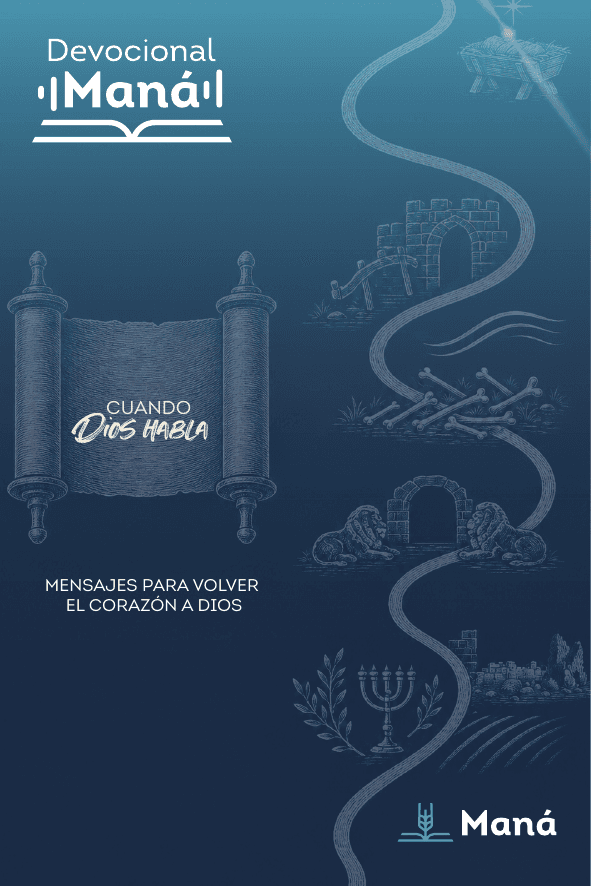
01
Begin with the real publication.
The cover, scale, margins and page rhythm establish the object before any camera is placed around it.
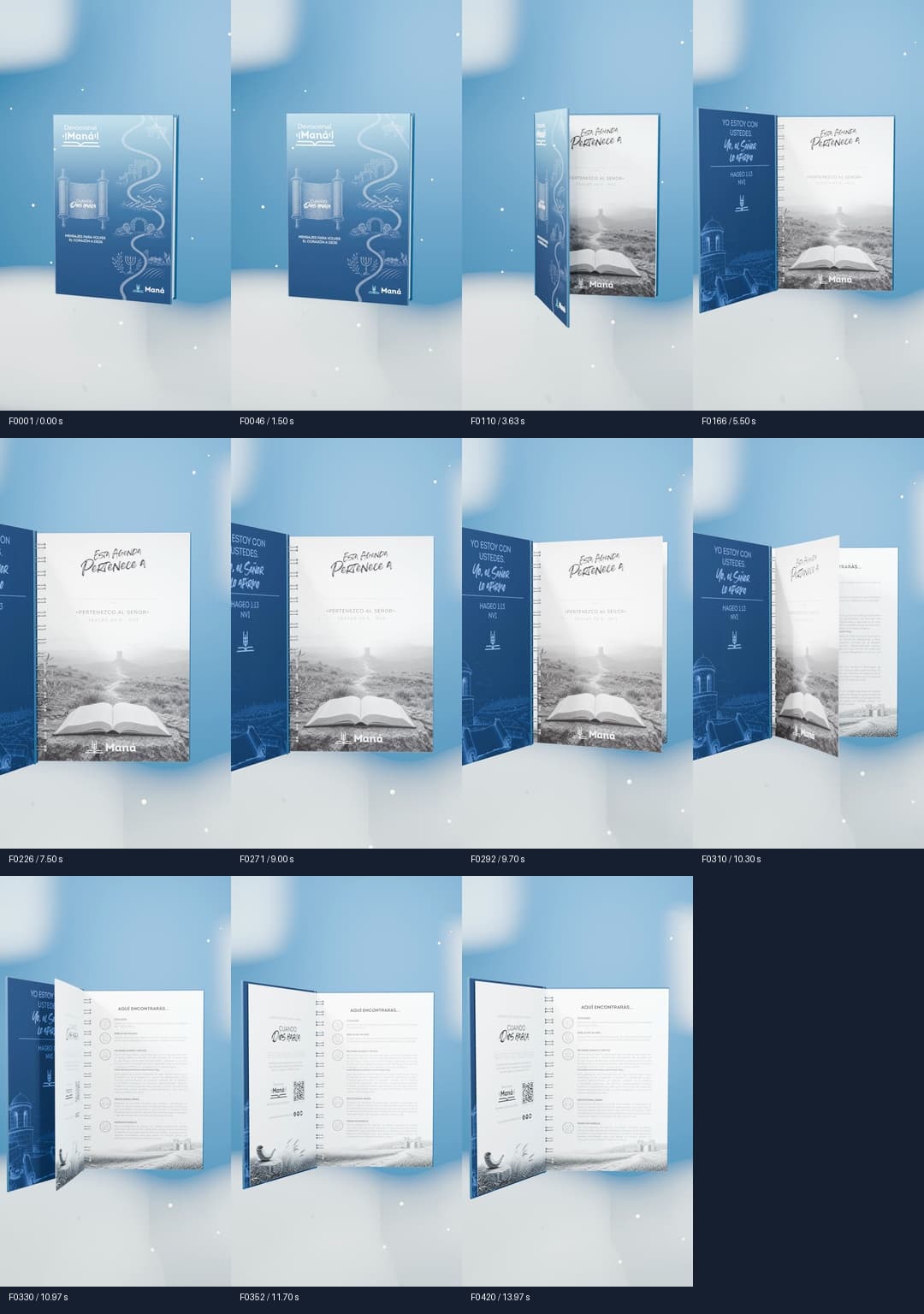
A 415-page editorial system translated into a physical object that can move, open and reveal its purpose.
The publication had to remain useful on paper while becoming expressive enough to live in motion. The solution connects page architecture, selected covers and a Blender-built product study through one calm visual language.
A selected view of the editorial and 3D decisions behind the work—not a tutorial or a dump of every production file.
The cover, scale, margins and page rhythm establish the object before any camera is placed around it.
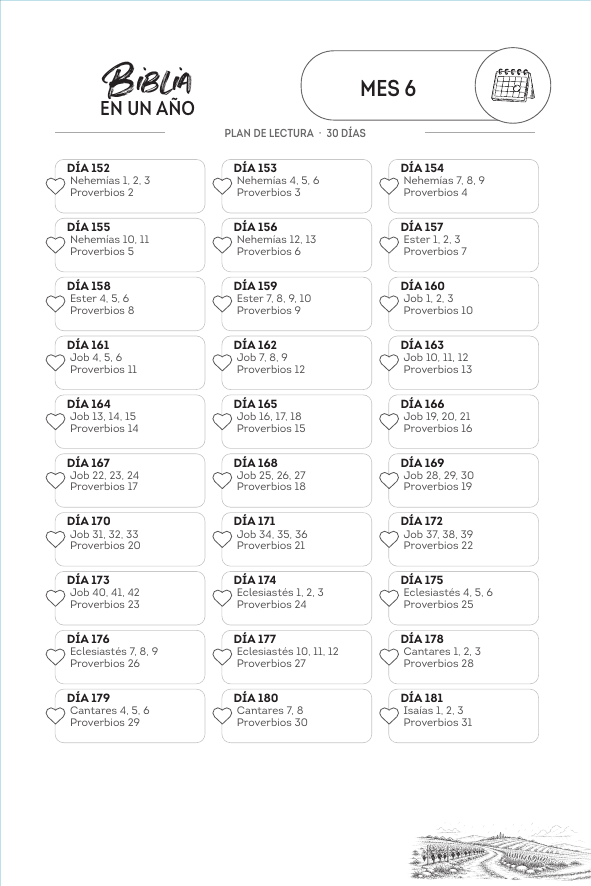
Recurring page families organise plans, readings and daily actions without forcing every page to look identical.
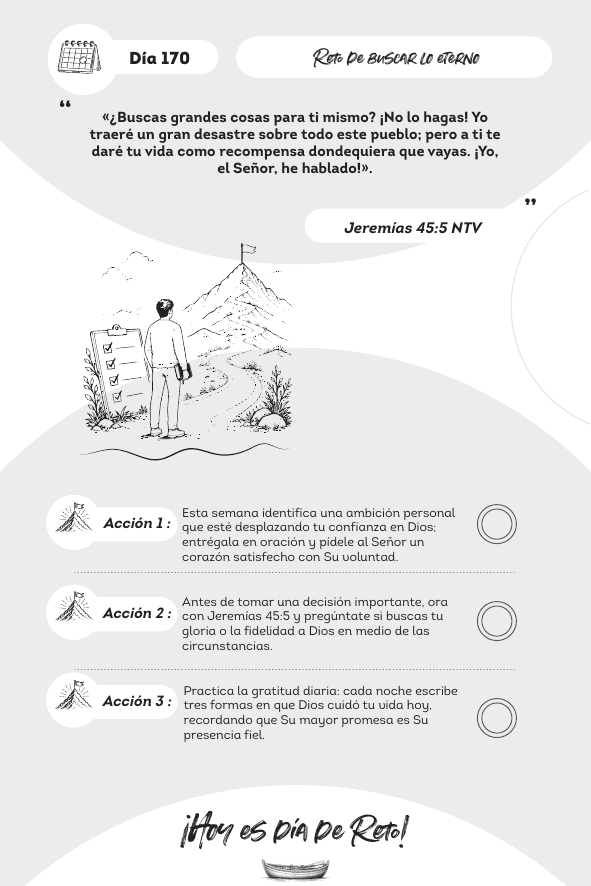
Hierarchy, illustration and writing space work together so the reader can move from a verse to a practical response.
The 3D study tests page opening, product stability, camera continuity and a luminous environment before a final campaign edit.
Real production work shown from preserved source files. The public Blender sequence is identified as a product and camera study, not as the final commercial.